

Ohhhh Heathcliff!
I’ve come to the conclusion that Elordi’s Heathcliff is perfect for 2026 and it just doesn’t matter if it's accurately

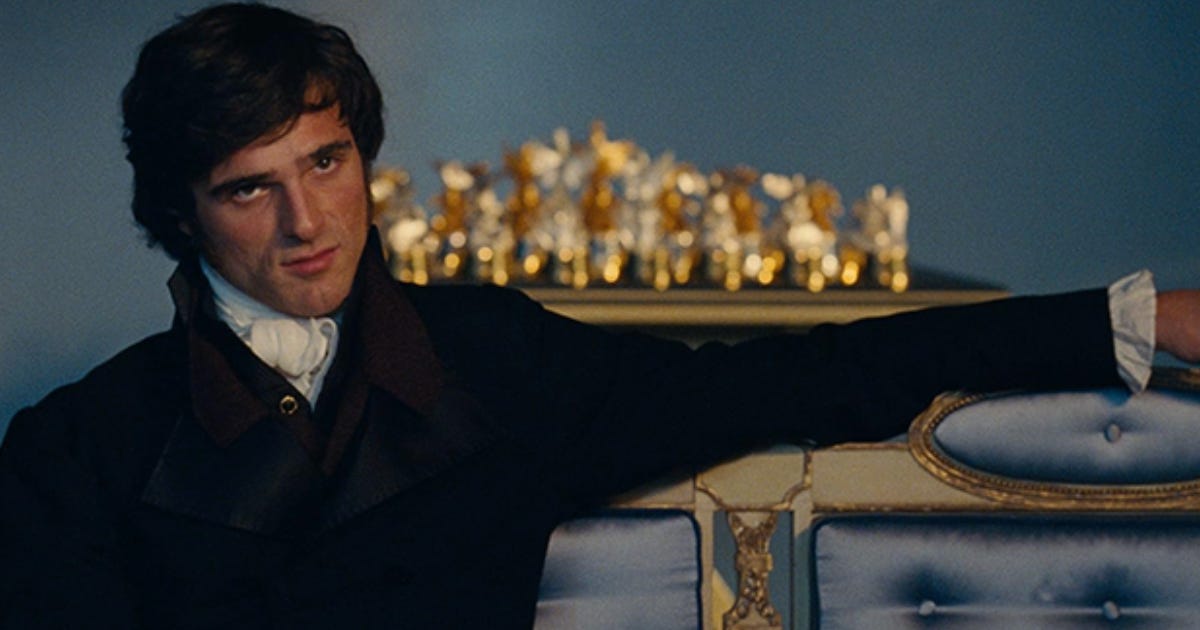
Jacob Elordi’s smirk has been hovering in the recesses of my mind for the last week. It’s after Heathcliff’s return in Emerald Fennell’s Wuthering Heights, he’s sitting on that stupid red couch in the stupid sitting room with that impossible little earring and gold tooth shimmering every so often and he’s looking very pretty. In reading the book, I never pictured this sitting room scene in the manner Fennell displays it; the chapter of the book sits in my mind as tense and tragic - it’s the moment Cathy realizes the impact of her choice fully and mourns her loss. In my watching of the movie and thereafter stewing over it, I feel confident that Emily Brontë’s antihero from 200 years before Fennell premiered her own retelling of the classic is so much more nuanced and layered. In a word, Brontë’s Heathcliff is complicated whereas Fennell’s is just wet.
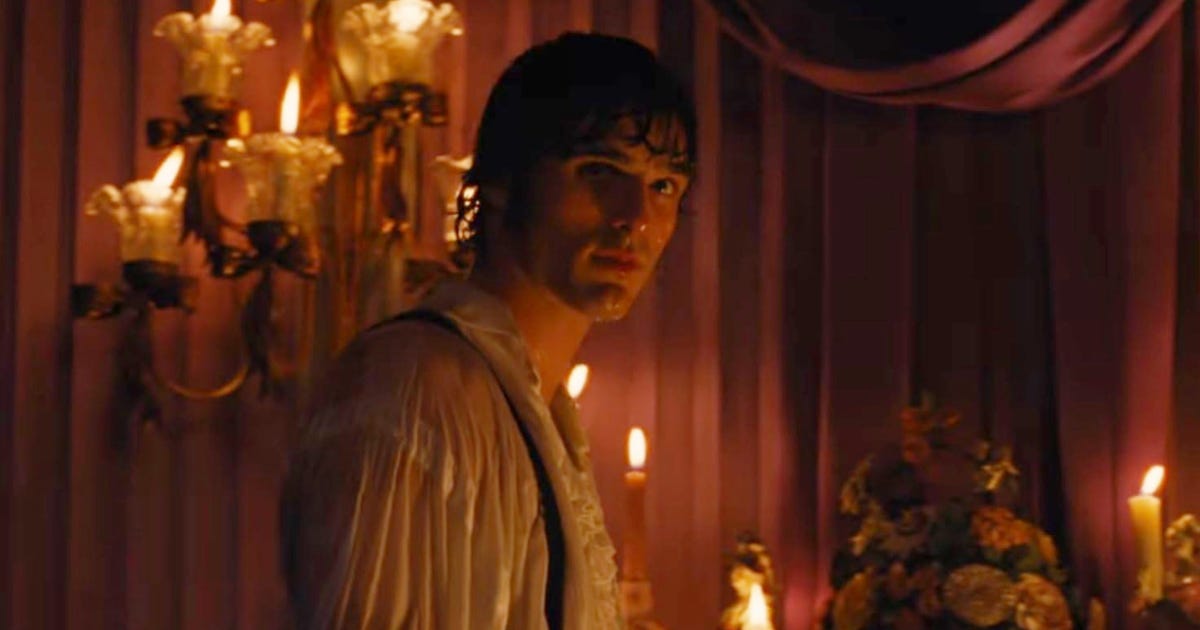
A few people have asked me what I thought of the movie and the chat has been consistent - women telling me they haven’t read the book and asking if the movie is horny. After stewing over this and soapboxing for a few friends who were too nice to stop my tirade, I’ve come to the conclusion that Elordi’s Heathcliff is perfect for 2026 and it just doesn’t matter if he’s portraying Heathcliff accurately. Not once while reading the book did I sigh longingly to myself “oh to be loved by Heathcliff!” - the dude is a villain! But all of that is a moot point.
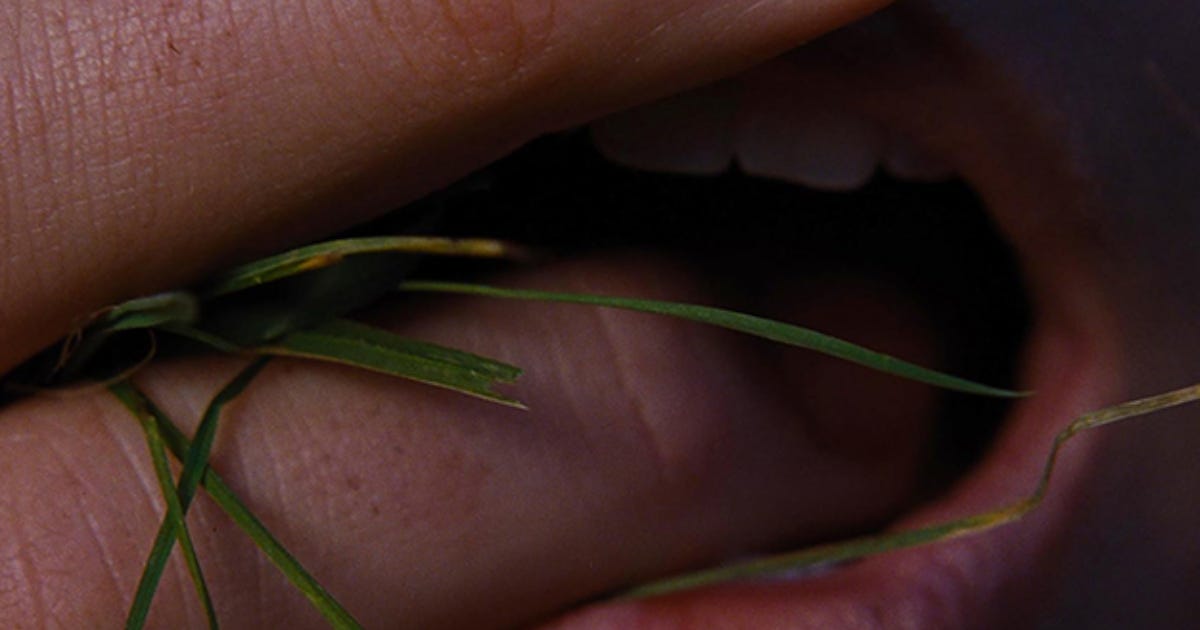
Life is complicated and messy and society is in no way shape or form willing to deal with the intricate fall out from exploring bad actions by people who also are capable of love, we just want to see hot people suck on fingers.
It doesn’t matter because in the year of our lord 2026 we can’t handle complexity - we want clear, easy terms that we set and control. We have no patience for long form (which is ironic because this essay turned out pretty long) - we watch 30 second videos on our phones while scenes on TV run too long and we tune out our real life community to check a headline when it pops up on our watches. So, it really doesn’t matter if Wuthering Heights is more than a romantic tragedy (it is though) as long as we know that the tension of that love story gets explored and no rock of the proverbial moors is left unturned. Life is complicated and messy and society is in no way shape or form willing to deal with the intricate fall out from exploring bad actions by people who also are capable of love, we just want to see hot people suck on fingers.
The real Heathcliff in modern times would have been banished. Consider for a millisecond the punishment invoked upon, say, Aziz Ansari, for the Jezebel/Babe piece that wrote up a shitty date like 10 years ago where she disagreed with his wine choice - he didn’t release art for years. Now consider what we would do to a guy who brutalizes animals, swears revenge on a family, enables an alcoholic’s demise, tortures children, tries to break up a marriage, rapes his wife, and forces the marriage of cousins. Ours is an era where love and forgiveness do not blend. So why would it exist in this new retelling of “the greatest love story ever told”?
I mean, I get it. It’s nice to escape and it’s a beautiful thing to be longingly devoured by those brown Elordi eyes. And Elordi’s Heathcliff is so clearly in love with his Cathy (Margot Robbie) that it’s easy to get caught up in the mood. It’s horny! Heathcliff is almost constantly drenched in rain so we can see his biceps through his translucent sleeves, there’s a lot of sexuality laced throughout the whole film. In 2026 the idea of a love so carnal and all consuming that you get a montage of making out in a nice damp hillside - that’s really fucking sexy and a hell of a lot more freeing than watching an intergenerational tragedy play out.
Which is the problem. Or at least, it is for those of us who have read the book. Wuthering Heights is not a sexy book. Sure there’s longing but it’s never satiated. It’s troubled and mean and dark and punishing. But Fennell’s interpretation of the story for screen isn’t the first time that this has been an issue. It’s not a new problem. I mean, Heathcliff IS the love interest and anchor of Cathy’s world. He’s not a good dude. He was not written to be moral.
He’s not a good dude. He was not written to be moral.
Throughout the last century, Heathcliff has been played by a variety of men in a variety of tones and ways, most of whom fall short in at least one way compared to the book. But each Heathcliff is specific to his time.
Picking apart Elordi’s performance against Brontë’s source material is satisfying to my type-A I-did-the-homework smug ass but it’s not really cutting to what I think is a more interesting exploration of how Heathcliff presents throughout the years. After so many adaptations, Heathcliff is just a copy of a copy but he has always been a reflection of the times and if we explore those reflections, maybe we’ll learn something about why in 2026 Heathcliff is the way he is.
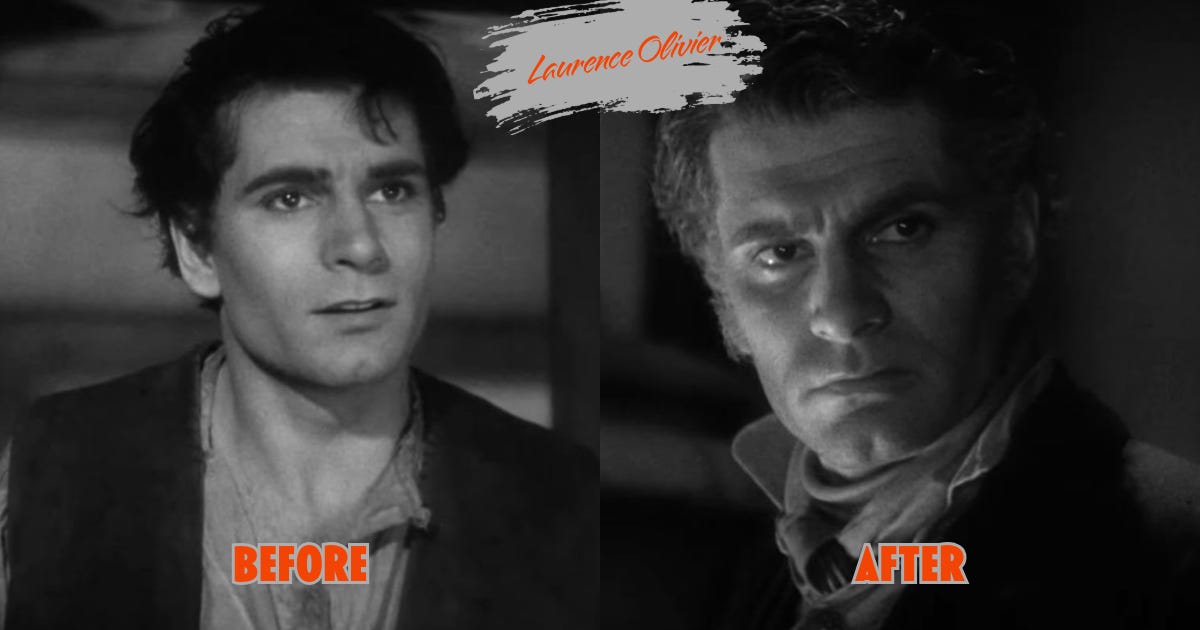
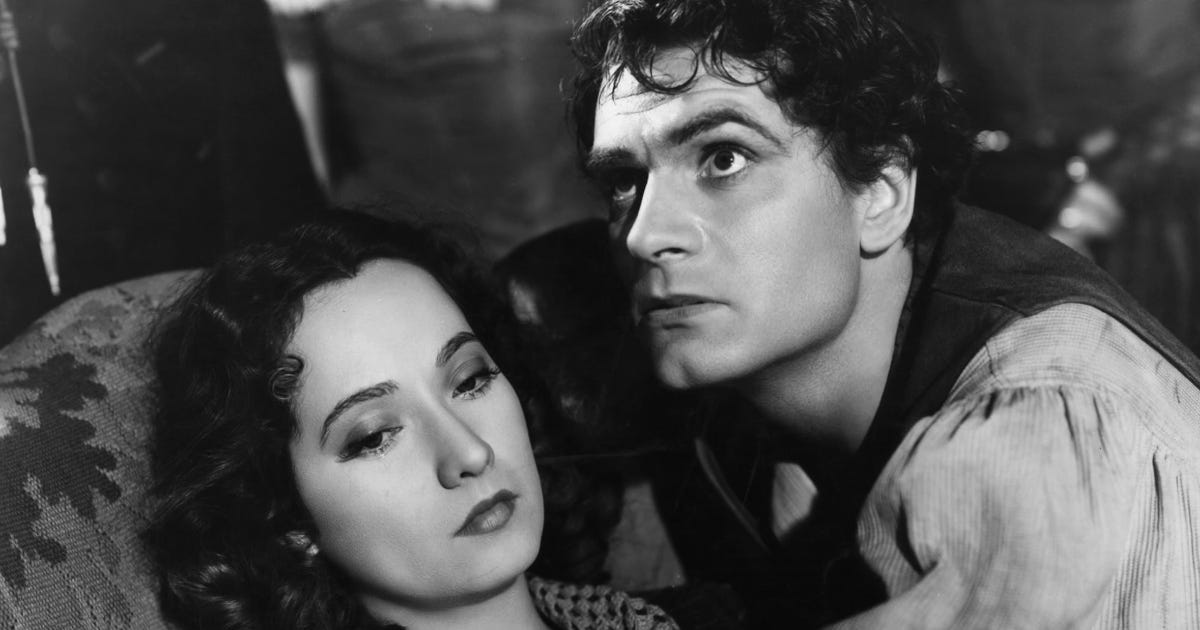
In 1939, Laurence Olivier played Heathcliff with the drama of the stage. This adaptation won a bunch of Oscars and Olivier himself was well known for his Shakespearean nature, it lends a properness to the character that works well. His Heathcliff is that of juxtaposition - he’s in crisis over the loss of his love (this early retelling honors the frame structure of the book so the first Heathcliff we meet is older and agitated, a short year away from his death) but he’s still super mean to everyone around him. There’s no room for remorse but he himself has a softness when it comes to Cathy that is constant through the movie.
Olivier’s Heathcliff has a domineering need for Cathy which plays to the times. This version of the movie is the first time we see it advertised as “the greatest love story ever told” which is interesting because in 1939 with WWII there’s an urgency to create stability before men headed into war and an overwhelming need for economic security for women - in this way, the livelihood and choices about pursuing love or security really mirrored Brontë’s original story. Olivier is magnetic and commands the screen, his curt brutality to those around him makes it easier to understand Cathy’s choice while still finding their story tragic. It feels like the story is trying to make sense of the tragedy of real life choices in the time of release, validating that although there’s no way Heathcliff and Cathy could be together while alive, despite their love, that they could be together in death and that is a valiant aspiration to hold when so many are marrying for security at the time.
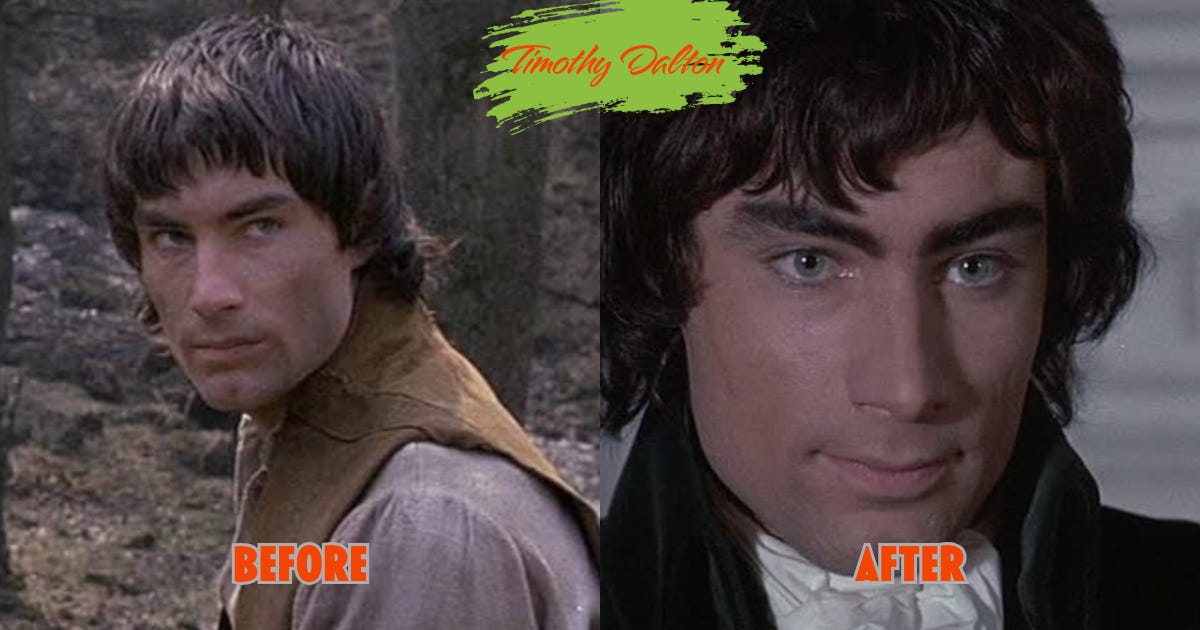
Fast-forward to 1970 and second-wave feminism, now Timothy Dalton (aka my least favorite James Bond) plays a very tortured and antagonistic Heathcliff for the big screen. He’s not shy about his vindictive nature, he leans into the rebellious nature of not being an equal class match for his Cathy and must be a Scorpio cuz dude holds a grudge.
Women have just gotten legal access to birth control and are 4 short years from being able to open their own fucking bank accounts when this movie comes out. To me, this 1970s version of Heathcliff screams of desire to halt revolution by offering a regressive, territorial hunk who loves Cathy but cannot provide financial security. It’s a little bit the same as the 30s but more focused on how Heathcliff is alternative, because, hippies. This Heathcliff is prescribed as a warning to rebellious women who might choose love over stability - feminists will be damned!
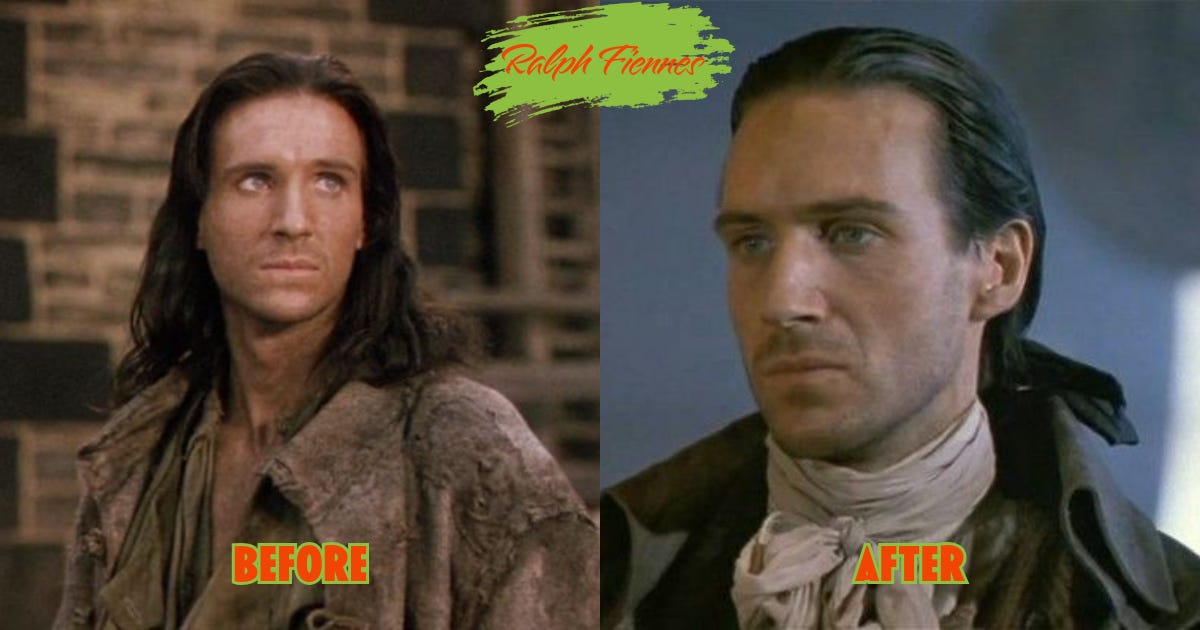
Next up is 1992. A young Ralph Fiennes makes his feature film debut as Heathcliff. He’s dreamy (still is) and vulnerable. His Heathcliff is sensitive and passionate (if you are Cathy and can dig in under the harsh and nasty exterior that he uses to keep everyone else at bay). Fiennes’ Heathcliff feels like he’s in conversation as the antithesis of the iconic heartthrob of the times - there’s very little muscle and no macho shouting matches, just quiet longing steeped in rejection. He’s a moody man for a moody time.
There’s a scene before Cathy decides to marry Linton where they are on the Moors and Heathcliff reads Cathy’s fortune in the clouds. As he lays out the meaning in the clouds, the clouds turn stormy and Cathy declares that he has damned her. Not them together, but her, singularly. This is a departure from the book (are you surprised) and I think it’s rather telling of the perspective here. It’s the early 90s, Gen X is starting to feel displaced and that external forces have set their fates in motion. In this way, Heathcliff is the cause of Cathy’s suffering here - the weather fortune allows Cathy to shirk blame for her own life choices thereafter while Heathcliff has to bear the weight of it all.
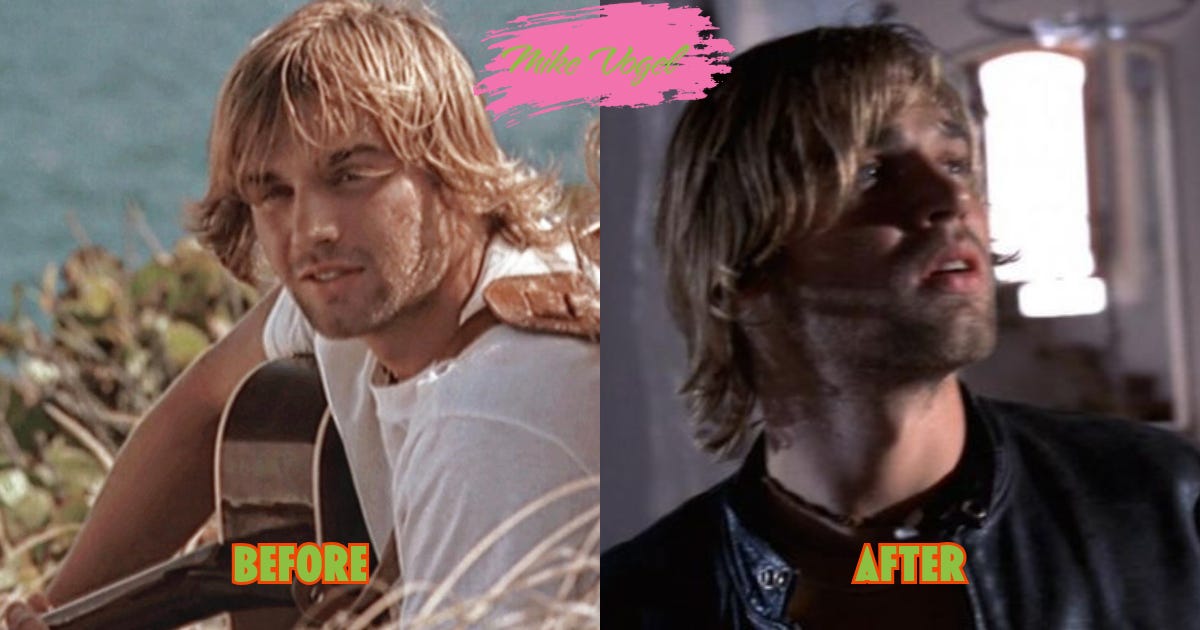
And then, in 2003 we get the last version of Wuthering Heights directed by a dude. This one, and you’re really not ready for this, was an MTV made-for-tv beaut that modernizes the story to be in a non-descript coastal location in the USA. Heath (fka Heathcliff) is played by Mike Vogel (who we all obviously remember from the remake of Texas Chainsaw Massacre). If you think about Avril Lavigne’s 2002 hit “Sk8r Boy” you’re pretty close to visualizing Heath here. He’s an emotionally unavailable wanna be rock star (he does actually make it in show biz, he beats out The Shins on the Billboard 100).
Heath is messy and clingy and traumatized. Cate (fka Cathy) wants to fix him. He flips out and sulks every time she leaves the lighthouse (fka Wuthering Heights). It’s not so much that they are magnets drawn to each other despite everything and more that this is what they know and any attempt to deviate will leave both parties in agony. Despite being the most unhinged co-dependent version of Heathcliff, he’s also portrayed as the good option in the movie! Heath ends up with Cate in the end and raises their child (while she’s a ghost haunting their home). MTV’s Heath validates the angsty, territorial, emotionally unavailable attitude of rock-type dudes in the early 2000s and tells its intended female audience that this is what they should be after too.
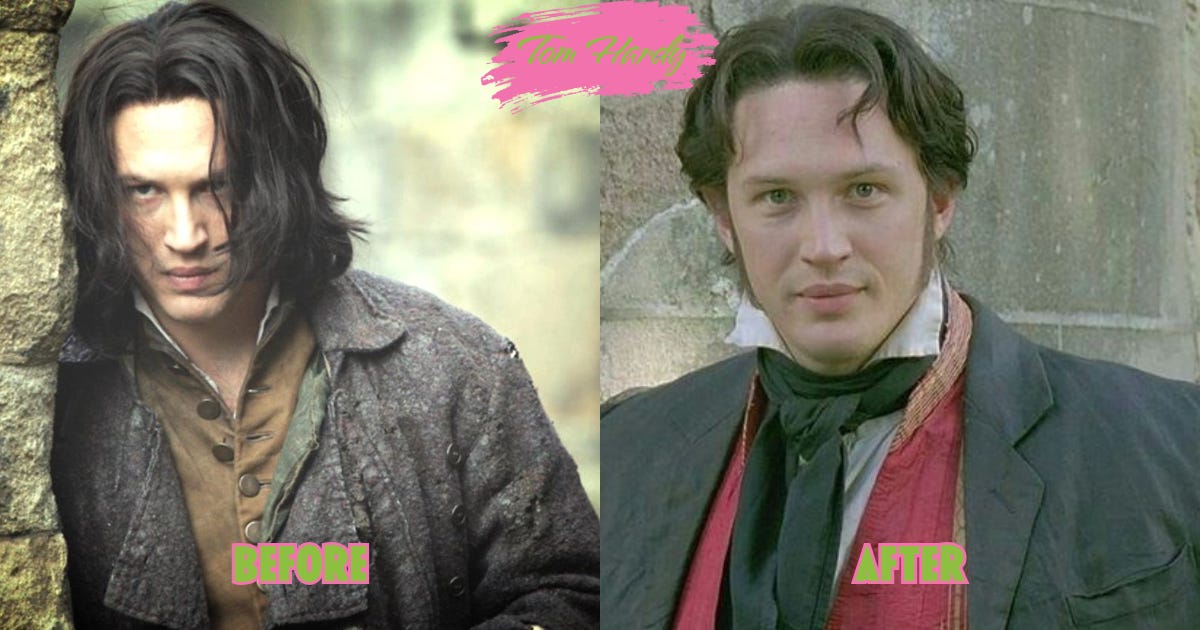
Beginning with 2009’s adaptation for UK tv (ITV) starring Tom Hardy as Heathcliff, Wuthering Heights is directed by women! Finally. Coky Giedroyc’s version is my personal favorite and it’s damn near perfect to the book’s intent. There’s a shift here from earlier tellings - it doesn’t feel like Heathcliff is being prescribed as a warning, rather we’re allowed to sit with the murky morality of the character.
This retelling is dark and intense, it focuses less on the romance between Heathcliff and Cathy and more on the surrounding darkness of obsession and jealousy under the pretense of love. It’s the shadowy underbelly of what had become known as a love story - pulling the rug out from under the perception of Wuthering Heights as a whole. At the time, the UK was dealing with a downturn in the economy - unemployment, lack of trust in the government, falling stocks. That disenchantment paved the way for this version of Heathcliff.
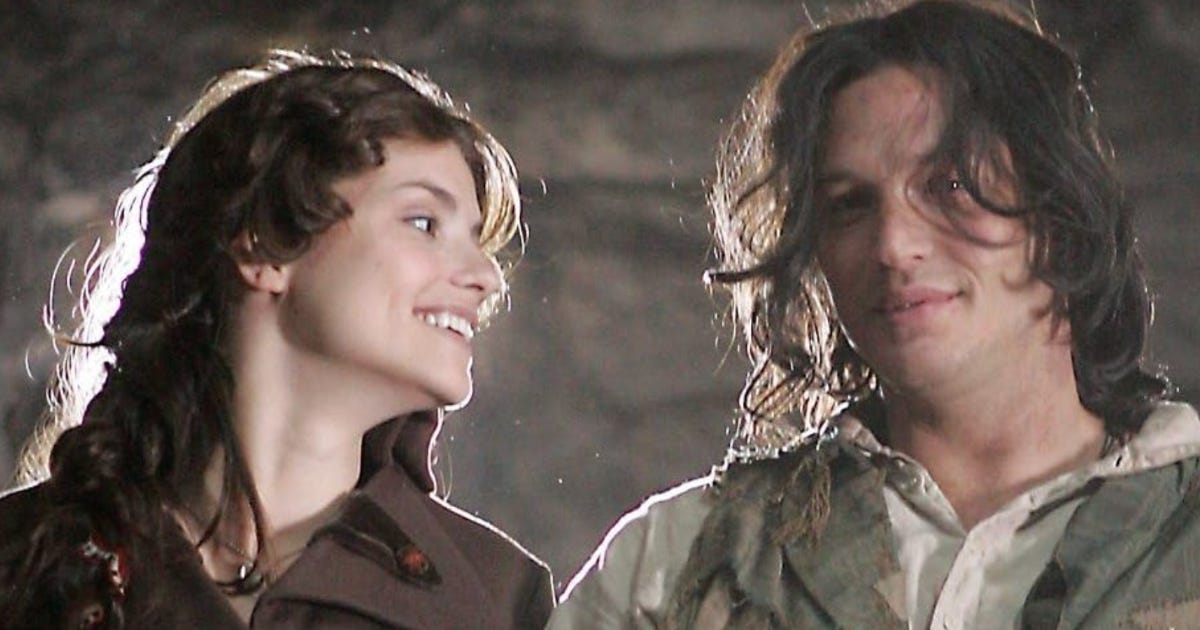
One that is broody and territorial and toxic but with the emotional range to enable sensitivity and softness to balance the darkness. This Heathcliff was created out of being tired of lofty and unreachable goals. Better to be honest and conflicted than lie and be disappointed. By the time we get to the second part of the story (which, big flex, actually exists in this version - thanks 2 part series!) we are at odds about Heathcliff’s grief and his rage and the fall out of it all, culminating in the tragedy that is beyond just him and Cathy that is so often missed in tellings.
This is a Heathcliff with consequences outside of himself. Giedroyc’s version is complex and doesn’t mandate that you blindly fall for Heathcliff. It’s nuanced. It’s an accurate to the book masterpiece that’s absolutely willing to deal with how messy the story really is.
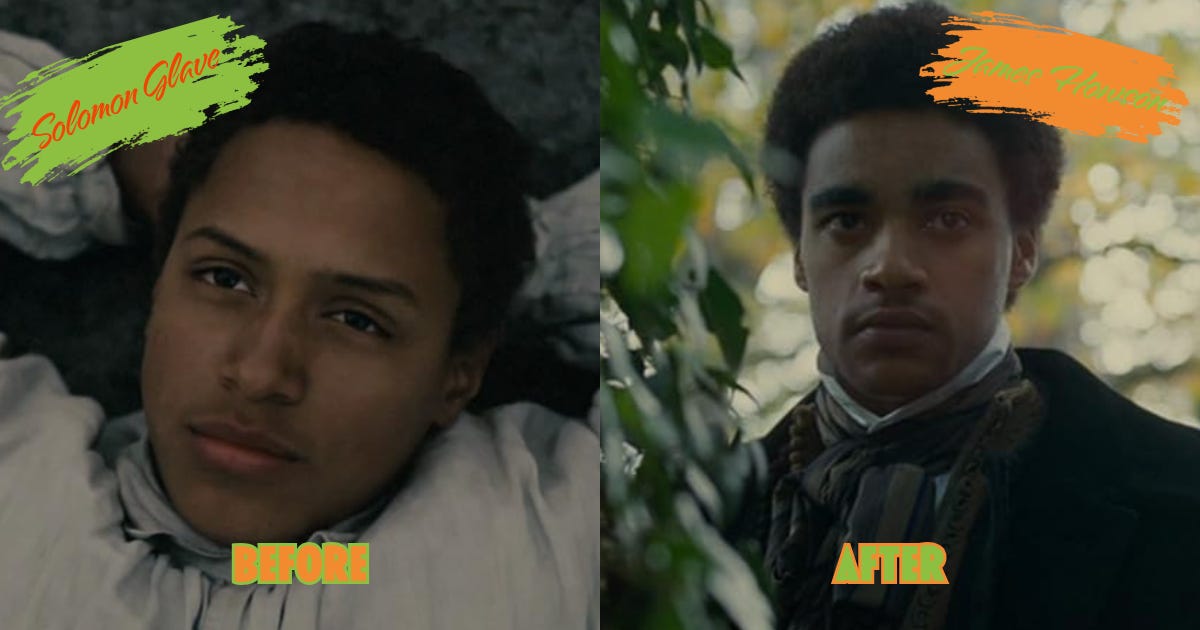
In 2011, Andrea Arnold does something new. She directs the first Black Heathcliff. It’s a big deal, one for representation, and two because of how Brontë’s described Heathcliff in the book. Wuthering Heights is still James Howson’s only film credit, it’s fascinating to me that an untrained actor was cast for this but because of that he brings an unnerving, brutal and unrehearsed aspect to the screen which feels super intentional.
There’s no smirk here, just a deep, carnal need to claim what’s his and what happens when he doesn’t get his way.. we as the viewers have to really ask ourselves - is this his fault?
This version focuses on the nurtured violence in Heathcliff’s world and how Cathy’s really the only good thing that’s ever happened to him and then what happens when that 1 good thing is “taken” from him. It’s truly vicious. Heathcliff is violent and single minded. There’s no smirk here, just a deep, carnal need to claim what’s his and what happens when he doesn’t get his way. Paired with witnessing his brutal upbringing, so we as the viewers have to really ask ourselves if this is his fault. It’s a smart movie but fucking bleak.
Arnold and Howson are using Heathcliff to explore a different angle of trauma - other versions focus on revenge and classism - this version focuses on racism, bringing slavery into the mix. It really validates Heathcliff’s tone and his need to seek retribution - humanizing him while at the same time not shying away from the vicious behavior exhibited.
This Heathcliff is intended as a vehicle for conversation about systemic othering, racism and how it connects to socio-economic structures rather than the catalyst of a love story. In its exploration of race as a factor in Heathcliff’s othering among the moors, I don’t think it could get made today because it doesn’t provide an out for the racist white upper class to be redeemed. They are all terrible. Considering the dismantling of initiatives for equality and attempts to overcome the systemic impacts of racism in the modern day - I’m not sure a movie that forces viewers to reconcile that in a tragic love story with morally gray characters would be something people flock to the theater for. Remember in 2011, Obama is president and we’re collectively really willing to practice humble conversations about inequality and racism - or at least we’re trying to. Life is more hopeful, and so a truly tragic version of this story is acceptable because we’re not desperate for escapism as we are today.
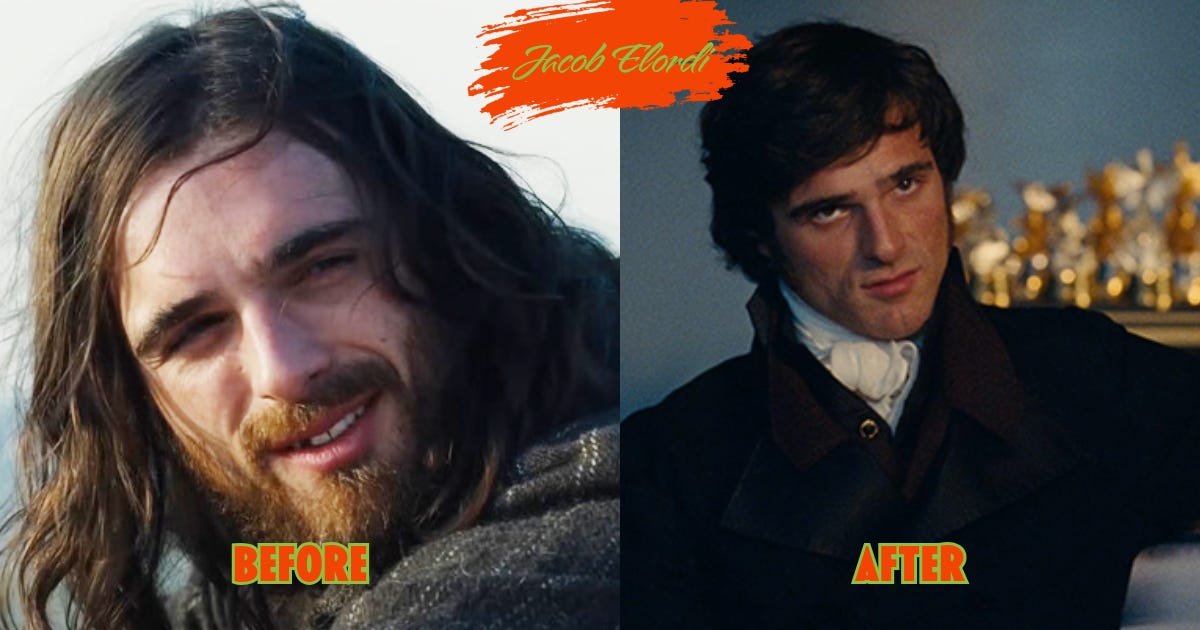
So hungry are we for escapism in 2026 that AMC recently changed its pre-roll to literally say: “Your escape starts now”. We’re not just at the theater for magic and perspective now, we’re here to tune the fuck out of real life. Which is why Jacob Elordi’s Heathcliff in Emerald Fennell’s Wuthering Heights makes a lot of sense. It’s not perfect. Like, by a lot. But at this point I don’t think that matters at all.
What is truly fascinating is that in the hands of an established female director, this story is transformed (reduced) into a milquetoast romantic tragedy. To me, this speaks to the baseline desire of our times. Love is complicated and fickle, but obsession? That’s something that can last forever. The 2026 version of Heathcliff fears no consequence and is way more carnal (there’s maybe 2 times that Cathy and Heathcliff ever kiss in the book). There’s more physicality here than probably every other WH version combined, and it plays a bit like fan fiction.
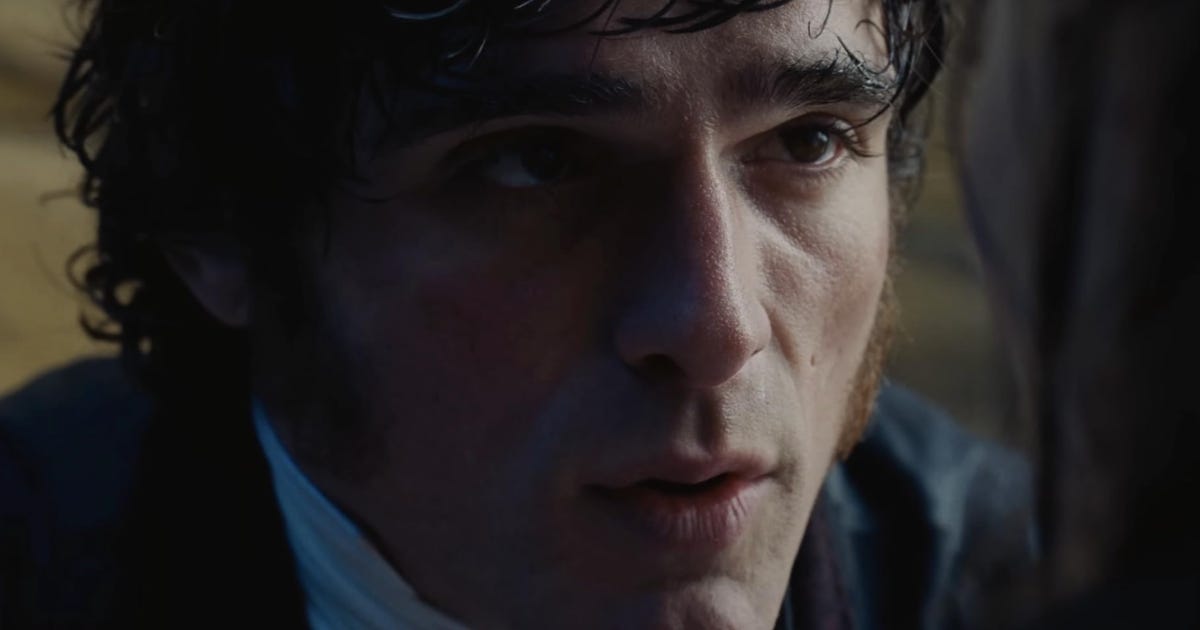
If I take a little itty bitty step back from my “it’s not the same as the book” ledge, I get it. We want the prized romance and we’re too tired to deal with the nuance underlying it. We want to be the object of obsession and we want to be the driving force for our obsession’s reform to be both the dark and the lofty ideals of our heart. Elordi sums this up entirely with his Heathcliff. He’s entirely focused on Cathy, we can feel it on screen.
There’s also a focus on clearing Heathcliff’s name of wrong doing, unlike more straightforward tellings. Elordi’s Heathcliff is consensual and protective and also mean but not in a way where we have to grapple with that duality of unforgivable true love like the book and (some) earlier versions. Some examples:
Heathcliff tells Isabella his intent in marrying her rather than obscuring it until her fate is sealed
Heathcliff doesn’t so much rape Isabella, rather he enables a kink in an insane person
Heathcliff locks the dog up instead of hanging him
Cathy’s dad is mean to both of them so Heathcliff’s experience of abuse isn’t singular
Heathcliff regularly takes beatings for Cathy - giving him a hero complex
Just to name a few of the ways we can really defend Heathcliff here. It’s not his fault he’s bad - we’re given a pass to love this Heathcliff.
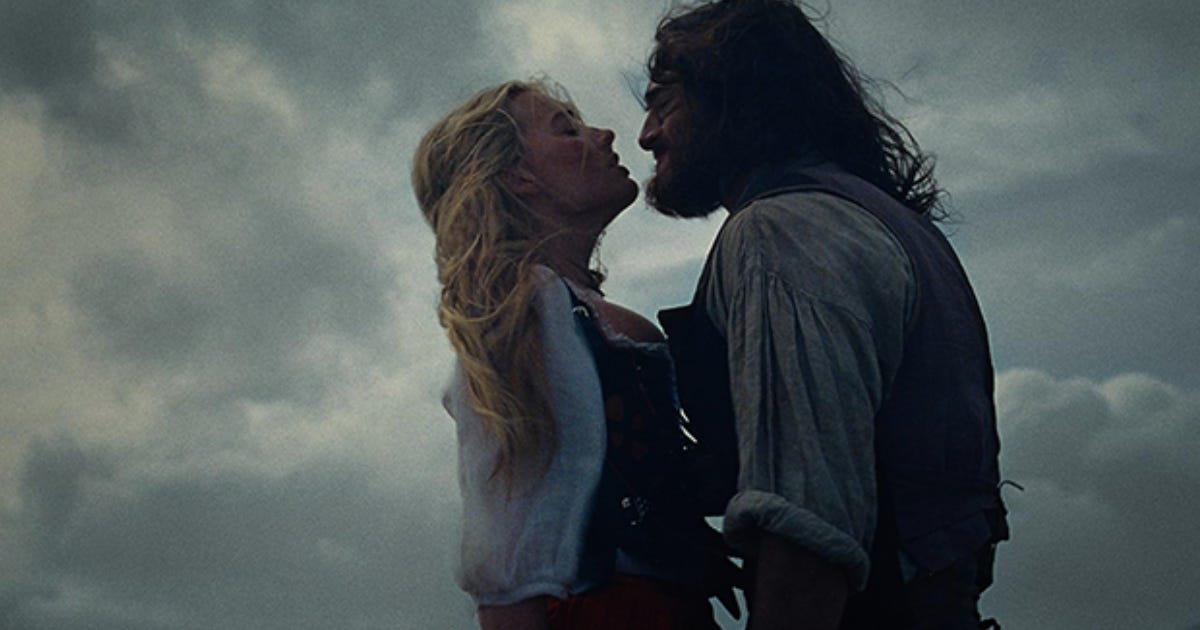
And this stamp of approval, that he’s misunderstood not a villain, enables our modern impatience for stories to pay off. We don’t want to wait for Heathcliff to make his move - we want them to kiss while he still has a beard and no money (as they do on the moors with the corset lift sequence that my Instagram keeps feeding me women trying to recreate with their meathead beaus). Wuthering Heights is a story about the long game, I’m not sure if 2026 has a long game. We’ve all been through so much and the whole vibe right now is get what you can when you can.
Wuthering Heights movies have always been up to interpretation, but Fennell’s version stands alone as a horny thirst trap. The 2026 Heathcliff of the people is what our brains can handle. This is a post COVID, repressive Trump-era cry for satisfaction even if she dies in the end and there is no happily ever after. There is no focus on haunting the moors together in the afterlife, there is only the now and to quote our guy HC, let us all be damned.
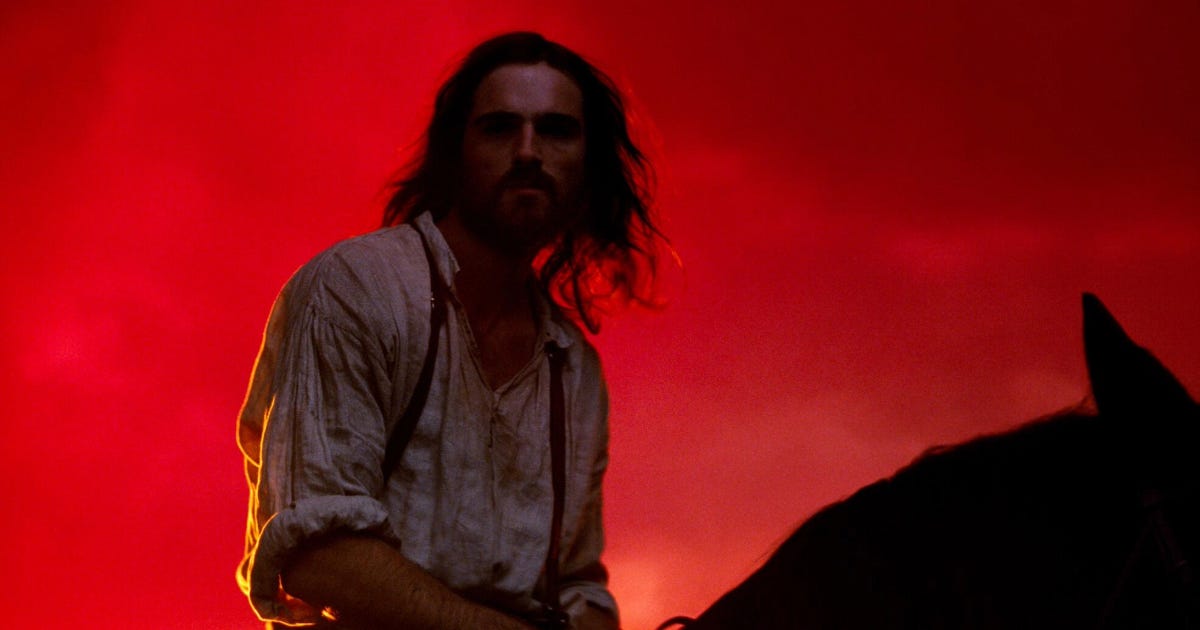
Who knows where Heathcliff goes from here. Will the next retelling build off of Fennell’s horny detour or will it snap back like a rubber band stretched too tight back towards its chaste, murky origins.